What is agarwood?
Agarwood is a fragrant, dark and resinous wood used in incense, beads, perfume, and carvings. Agarwood has long been prized for its olfactory splendor. Its essential oil is even known as liquid gold today.
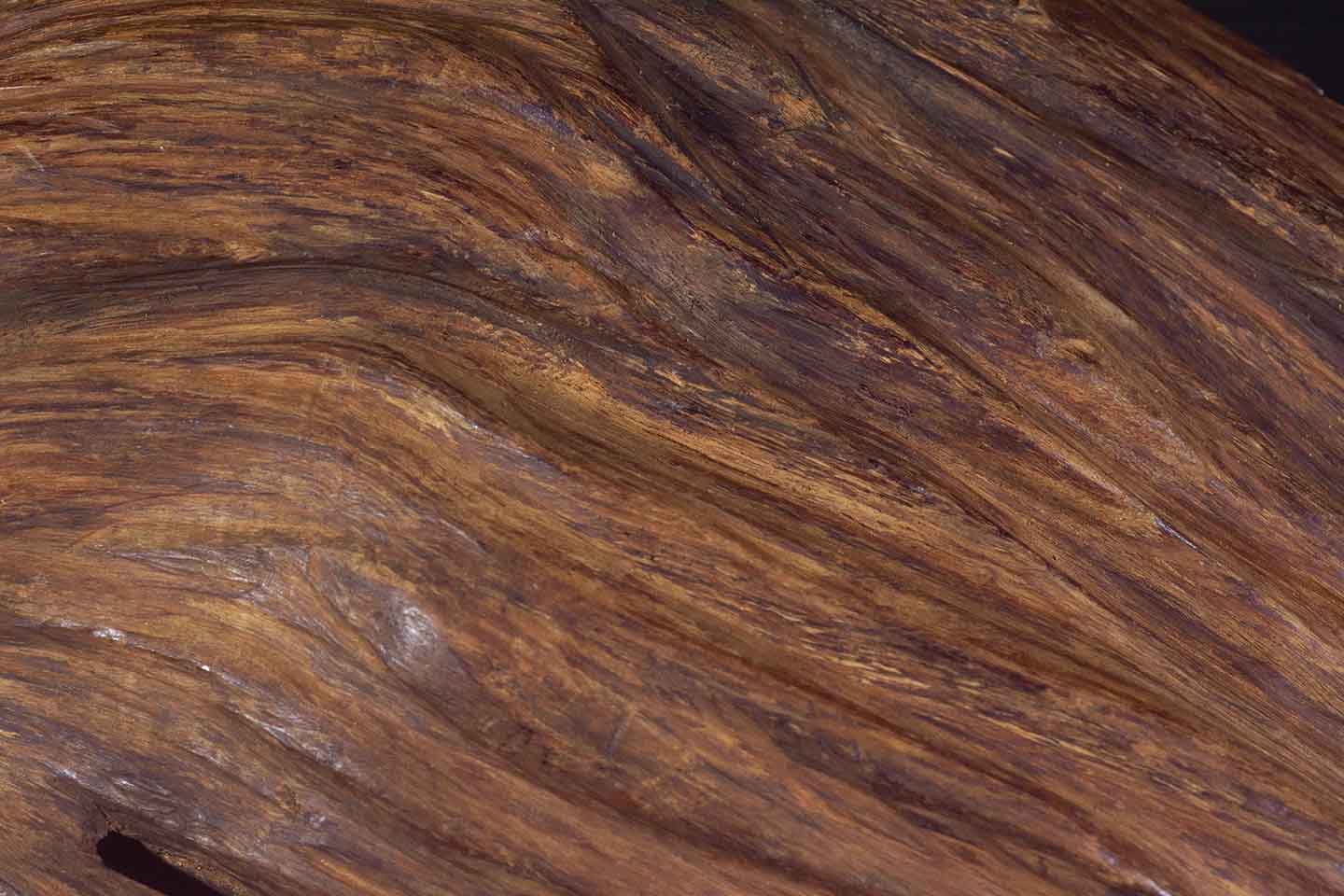
It forms in the wood of Aquilaria trees after they become infected with a type of fungus. The tree defensively secretes a resin to combat the fungal infestation to heal the wound. Prior to becoming infected, the wood mostly lacks scent, and is relatively light and pale in colouration. However, as the infection advances and the tree produces its fragrant resin as a final option of defense, the wood becomes very dense, dark, and saturated with resin. This long process, across tens to hundreds of years, by which the resin and wood fibres integrate and transform into resinous agarwood carrying a unique fragrance.
It is known by various names in different cultures: it is known as "aloeswood" in Greek; chenxiang(沉香), tuchenxiang(土沉香), guanxiang(莞香) or qinan(奇楠) in Chinese; “aguru” in Sanskrit; “oud” in Arabic; “gaharu” in Indonesian; Jinko(沈香) or Kyara(伽羅, the highest grade) in Japanese; “oud” and “oudh” in western perfumers for its essential oil.
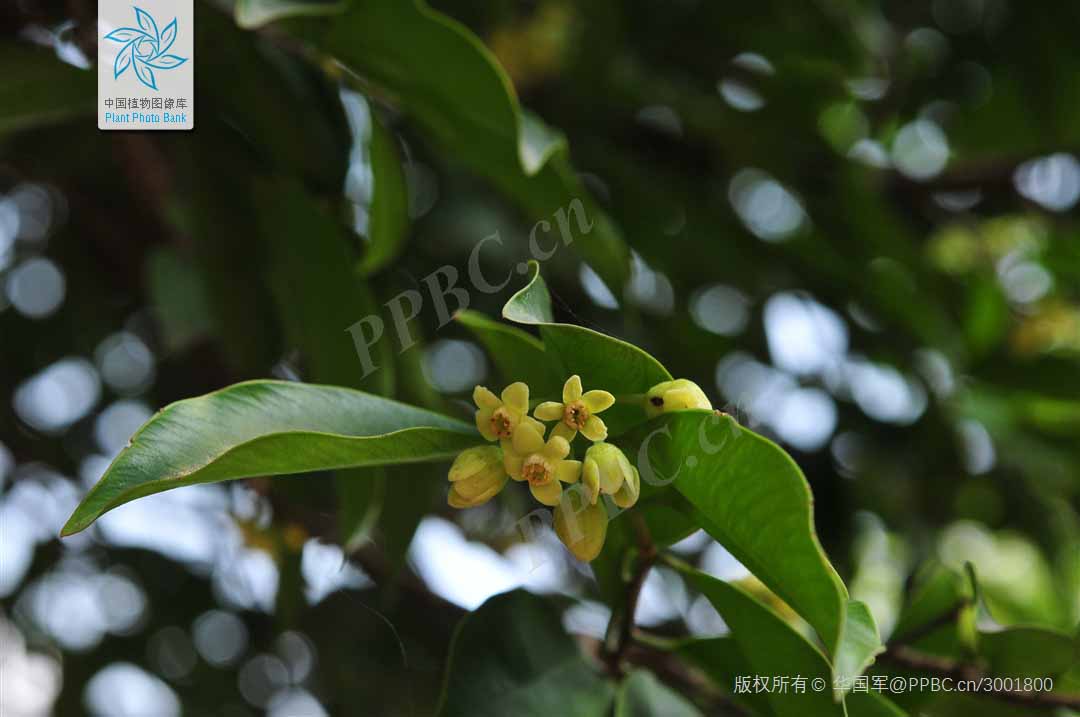
Aquilaria species that produce agarwood
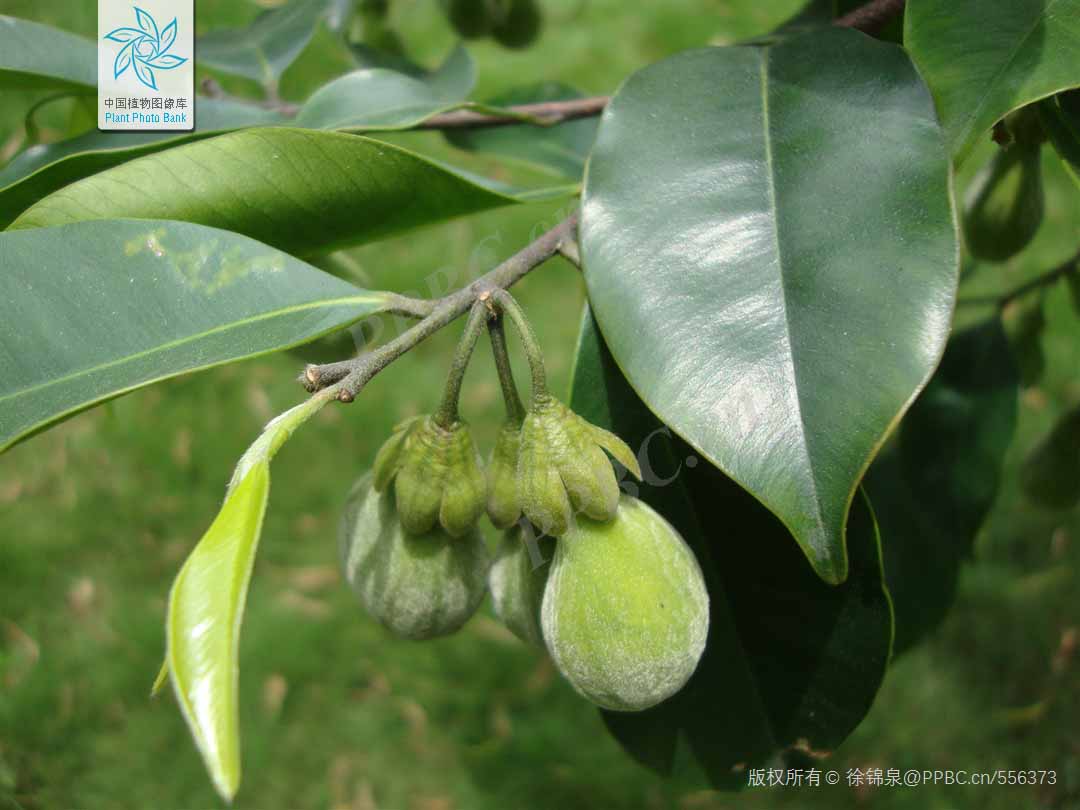
Aquilaria sinensis, found in China and Laos
Aquilaria subintegra, found in Cambodia, Thailand
Aquilaria acuminata, found in Papua New Guinea, Indonesia & Philippines
Aquilaria apiculata, found in Philippines
Aquilaria baillonil, found in Cambodia and Thailand
Aquilaria banaensae, found in Vietnam
Aquilaria beccariana, found in Indonesia
Aquilaria brachyantha, found in Malaysia
Aquilaria crassna found in Cambodia, Malaysia, Thailand, Laos and Vietnam
Aquilaria cumingiana, found in Indonesia and Malaysia
Aquilaria filaria, found in New Guinea, the Moluccas, and Mindanao (Philippines)
Aquilaria grandiflora, found in China
Aquilaria hirta, found in Thailand, Indonesia and Malaysia
Aquilaria khasiana, found in Bangladesh and India
Aquilaria malaccensis, found in Indonesia, Malaysia, Laos, Thailand, and India
Aquilaria microcarpa, found in Indonesia and Malaysia
Aquilaria rostrata, found in Malaysia
Use of agarwood
Religious Uses: Agarwood is highly valued and used as offerings by Buddhists, Taoists, Catholics, Christians and Islams.
Medicinal Uses: Medical and therapeutic usage of agarwood is well recognised. It is used as medicine in the old traditions in China, Islam, India, Tibet and South East Asia.
Artistic Uses: The pleasant aroma and rarity of agarwood makes it a precious sculpting material.
Spirit Healing Uses: The deep, warm scent of agarwood calms the restless mind, eases anxiety, and gently guides the spirit into a state of peaceful stillness.
Conservation of Agarwood Trees in China
Agarwood trees, primarily from the species Aquilaria sinensis, exist both in the wild and under cultivation. Due to overharvesting for their precious resin, wild populations have drastically declined. Towards the end of the last century, agarwood was listed as a potentially threatened species of plant by CITES.
In China, remnant wild agarwood trees can still be found in mountain ranges of Hainan and Yunnan provinces. Notably, the Dongguan Intangible Cultural Heritage Protection Park for agarwood cultivates over 260,000 trees, including more than 300 wild mother trees preserved through ex-situ conservation.
Meanwhile, large-scale artificial cultivation has expanded rapidly in Guangdong province, particularly in Dianbai, Dongguan, and Huizhou. These plantations mainly grow fast-resin-producing varieties known as "Qi Nan". Artificial cultivation represents a crucial path toward sustainable development.
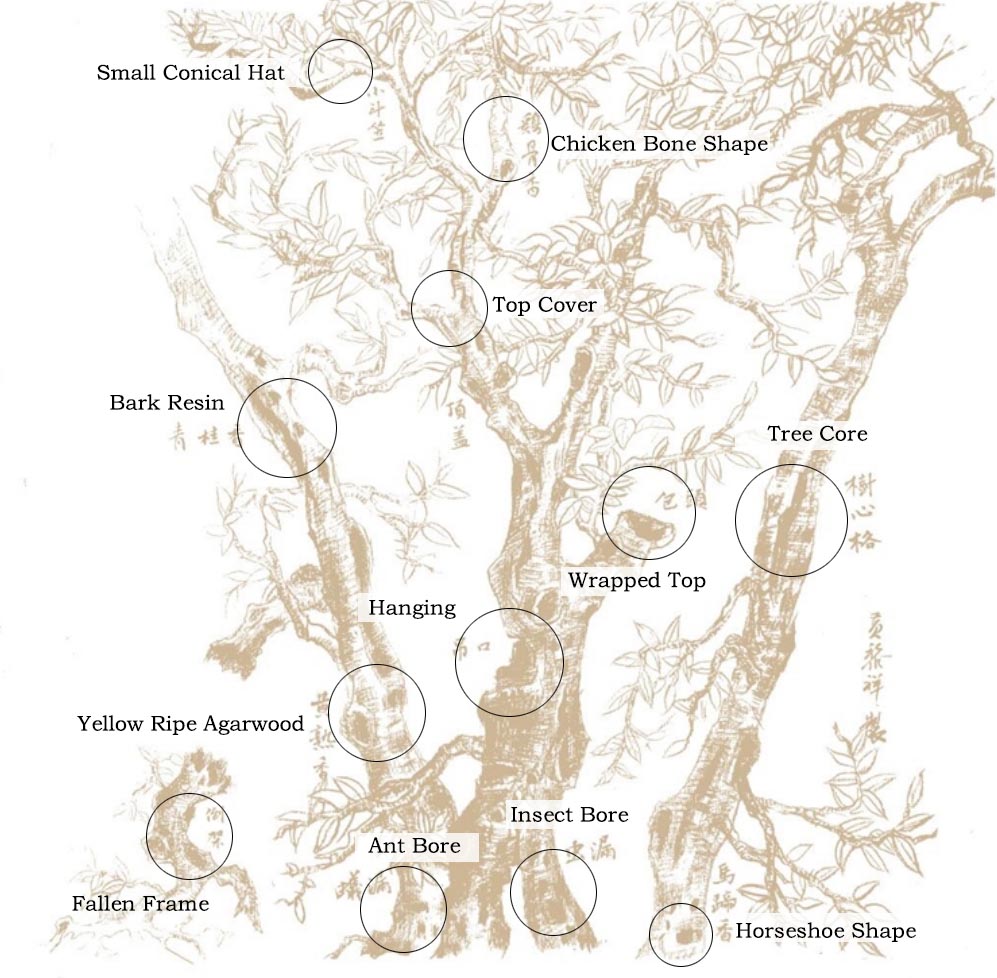
Four names and twelve forms of agarwood
Written around 1,000 years ago in Song Dynasty, a book called A Record of Heavenly Fragrance (Tian Xiang Zhuan) by Ding Wei stands as a classic text on agarwood. In this work, Ding Wei systematically documented the four names and twelve forms of agarwood.
Four Names:
Chen Shui Xiang (Sinking agarwood): High density, sinks immediately in water, possesses a rich and intense fragrance. Considered the highest grade.
Zhan Xiang (Stack agarwood): Half-floating and half-sinking in water.
Sheng Jie (Raw formation): Resin formed in a living tree, not yet fully matured.
Shu Jie (Ripe formation): Resin formed naturally after the tree has fallen, decayed, resulting in a deep, mellow fragrance.
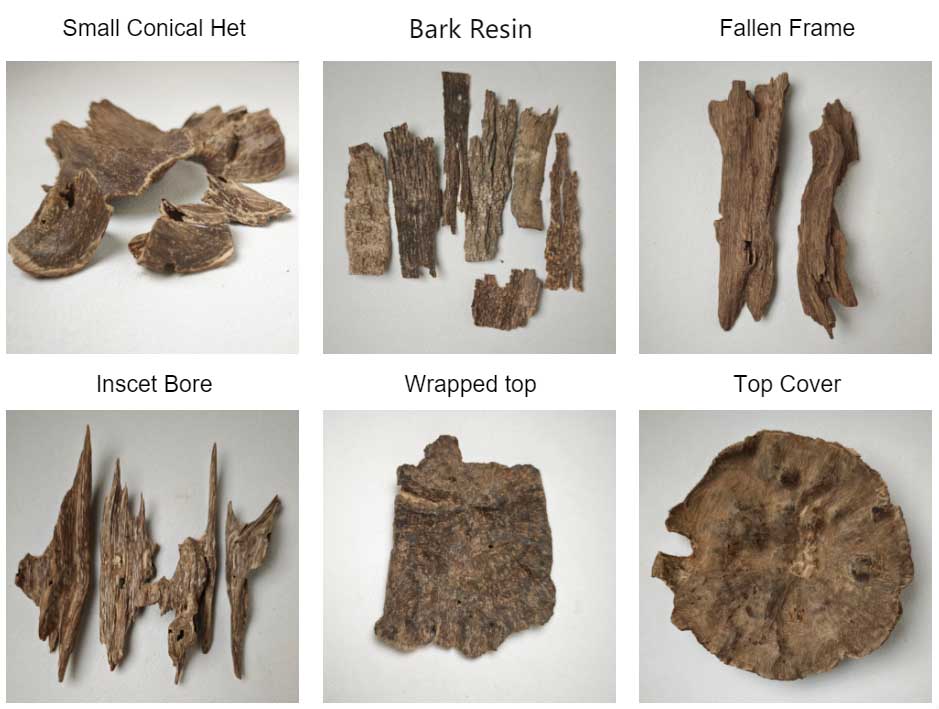
Twelve Forms (developed from Tian Xiang Zhuan):
Ji Gu Xiang (Chicken Bone Shape) – Resembling a chicken bone, long and slender.
Xiao Dou Li (Small Conical Hat) – Shaped like a small bamboo rain hat.
Qing Gui (Bark Resin) – Resin formed in the bark.
Ding Gai (Top Cover) – Resin layer covering the top of the tree trunk.
Bao Tou (Wrapped Top) – Bark wrapped around healed wound.
Dao Jia (Fallen Frame) – Resin formed in fallen trees.
Diao Kou (Hanging) – Resin oozing from a wound on a branch.
Shu Xin Ge (Tree Core) – Resin formed in the heartwood.
Chong Lou (Insect Bore) – Resin formed around insect tunnels.
Yi Lou (Ant Bore) – Resin formed due to ant damage.
Ma Ti Xiang (Horseshoe Shape) – Small and flat, like a horse’s hoof.
Huang Shou Xiang (Yellow Ripe Agarwood) – Yellowish relatively loose resin.